
The aftermath of dental extraction raises some questions: 'Do I really need to replace the tooth? What’s the best way to do it?'
For many patients, doing nothing, especially when the missing tooth is not highly visible, seems like a cost-effective solution. After all, the discomfort is gone, and the extraction site will heal. And there’s no upfront cost to leaving things as they are. However, the true cost of unaddressed tooth loss isn’t immediately apparent. Over time, neighbouring teeth can shift into the vacated area, altering bite alignment. Also, without the stimulation of a dental root, the jawbone can begin to shrink. These changes create new problems that will ultimately require treatment themselves. Restorative dentistry, such as dental implants, bridges, or dentures, can make all the difference.
When evaluating dental implants vs bridges vs dentures, it is important to consider not just initial cost but also the value of long-term functionality and ease of maintenance. For patients exploring tooth replacement options in Dunedin, understanding the long-term picture can help guide a more informed decision.
The Hidden Anatomy Cost: What Happens When You Do Nothing
Your teeth do more than simply help you chew. Their roots stimulate the jawbone every time you open and close your mouth, helping maintain robust bone density and a natural facial structure. When a tooth is removed, that stimulation disappears. While 'leaving it' may seem inexpensive at first, the consequences can be more complex and costly.
Over time, the jawbone in the area can begin to resorb, or shrink. Adjacent teeth may drift into the empty space, while opposing teeth can begin to over-erupt because they no longer have a matching tooth to bite against. These changes can affect chewing efficiency, cause misalignment, increase wear on the remaining teeth, and lead to future restorative needs.
Breaking Down the Contenders: Upfront Cost vs. Lifetime Value
Every tooth replacement solution has advantages and limitations. The best choice depends on your oral health, budget, lifestyle, and long-term goals.
1. Dental Implants (The Premium, Independent Anchor)
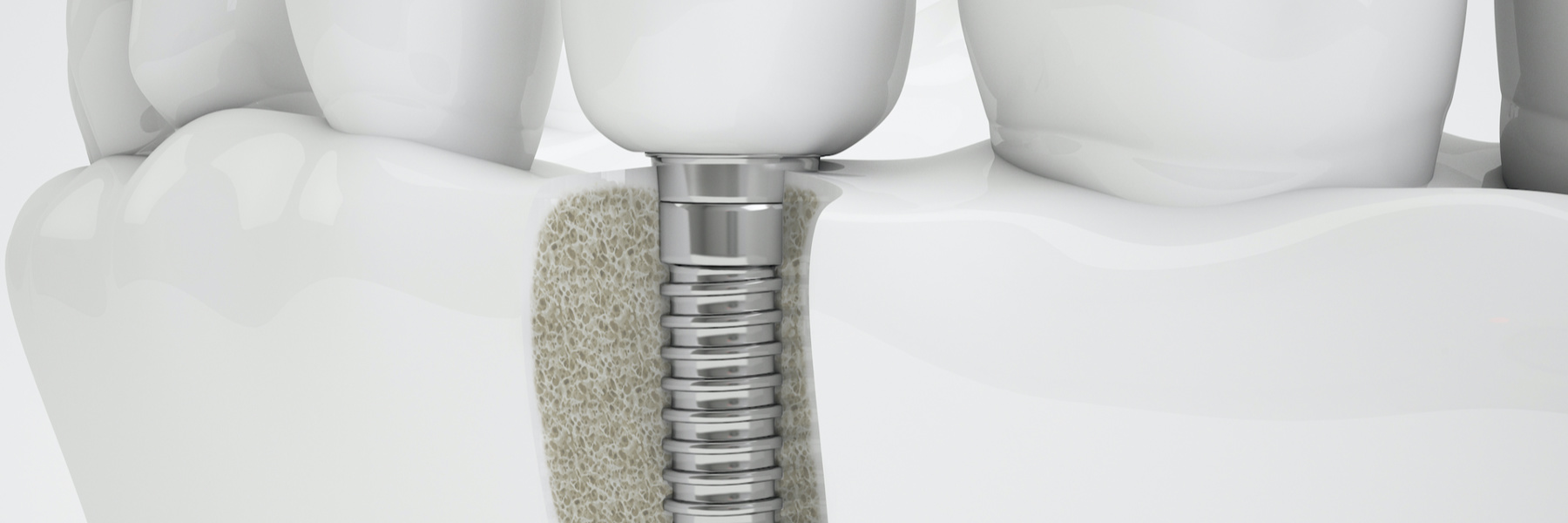
Dental implants are considered the gold standard for single-tooth replacement. A titanium implant is placed into the jawbone, where the root once was, to integrate with the bone (via osseointegration) and supports a custom crown.
Unlike other options, implants do not rely on neighbouring teeth for support. When topped with porcelain dental crowns, they function like tooth roots and help preserve both jawbone and natural feel and function. And although implants typically have a higher upfront cost than other tooth replacement solutions, they’re incredibly reliable and long-lasting. With proper care, implants can remain successful for decades!
2. Dental Bridges (The Mid-Tier Fixed Solution)
Dental bridges fill (or 'bridge') gaps created by tooth loss by attaching non-removable artificial teeth to crowns on adjacent teeth. They restore appearance and chewing function effectively while requiring less treatment and recovery time than implants, making them a popular middle-ground option. At the same time, bridges generally have a shorter lifespan (7-10 years, on average) than implants.
It’s also worth noting, however, that bridges require modification of neighbouring teeth, even if those teeth are healthy. As a result, over time, the supporting teeth may require additional treatment.
3. Removable Dentures (The Budget Entry Point)
Modern dentures are significantly more comfortable and natural-looking than many people expect. They can restore aesthetics and some chewing ability while avoiding surgery. Partial dentures are often the most affordable initial option for replacing one or several missing teeth.
The main trade-off is that dentures do not prevent bone loss in the jaw. They also may require periodic adjustments, relines, or replacement as a person’s mouth changes over time. Some patients also find removable appliances less convenient and comfortable than fixed alternatives.
The 20-Year Maths: Why Implants Often Win the Economic Race
When comparing treatment costs, many patients focus only on the initial investment. But effective dentistry is a marathon, not a sprint. Over a span of 15 to 20 years, dental bridges will need replacement. Supporting teeth may require additional restorative work. Dentures will need relines, repairs, or replacement.
Dental implants, meanwhile, serve as a lower maintenance long-term foundation. They typically require little maintenance beyond routine at-home care and preventive cleanings and examinations.
Unfortunately, this doesn’t mean implants are automatically the right choice for everyone. Patients considering dental implants must have gums and jawbone structure that are sufficiently developed and strong enough to support an implant. For individuals who are strong candidates, however, when viewed through the lens of lifetime value, implants are typically far more economical than they first appear.
Beyond the Wallet: How the Choice Affects Your Daily Otago Life
Many Dunedin patients appreciate the stability and convenience of fixed solutions, while others prioritise affordability or avoiding surgical procedures. There is no universally correct answer for dental restoration. Financial considerations matter, of course. However, so too does quality of life. The right tooth replacement can affect social interactions, professional confidence, and overall comfort throughout the day. It can influence what foods you comfortably eat, and how naturally and confidently you smile and speak.
The “right” option is the one that aligns with an individual’s personal priorities and oral health needs. A comprehensive consultation allows your dentist to evaluate bone levels, neighbouring teeth, bite function, and long-term goals before making a recommendation.
Finding the Best Tooth Replacement Solutions in Dunedin, Otago
A thoughtful decision today can help protect your oral health, comfort, and confidence for many years to come.
If you're in Dunedin and want to learn more about dental implants vs bridges vs dentures and which tooth replacement option is best for you, contact Dr Elaine Neill and the Bell Hill Dental team to arrange a consultation.